21e édition : Du 30 mars au 13 avril 2026

Poland

Ashes and Diamonds

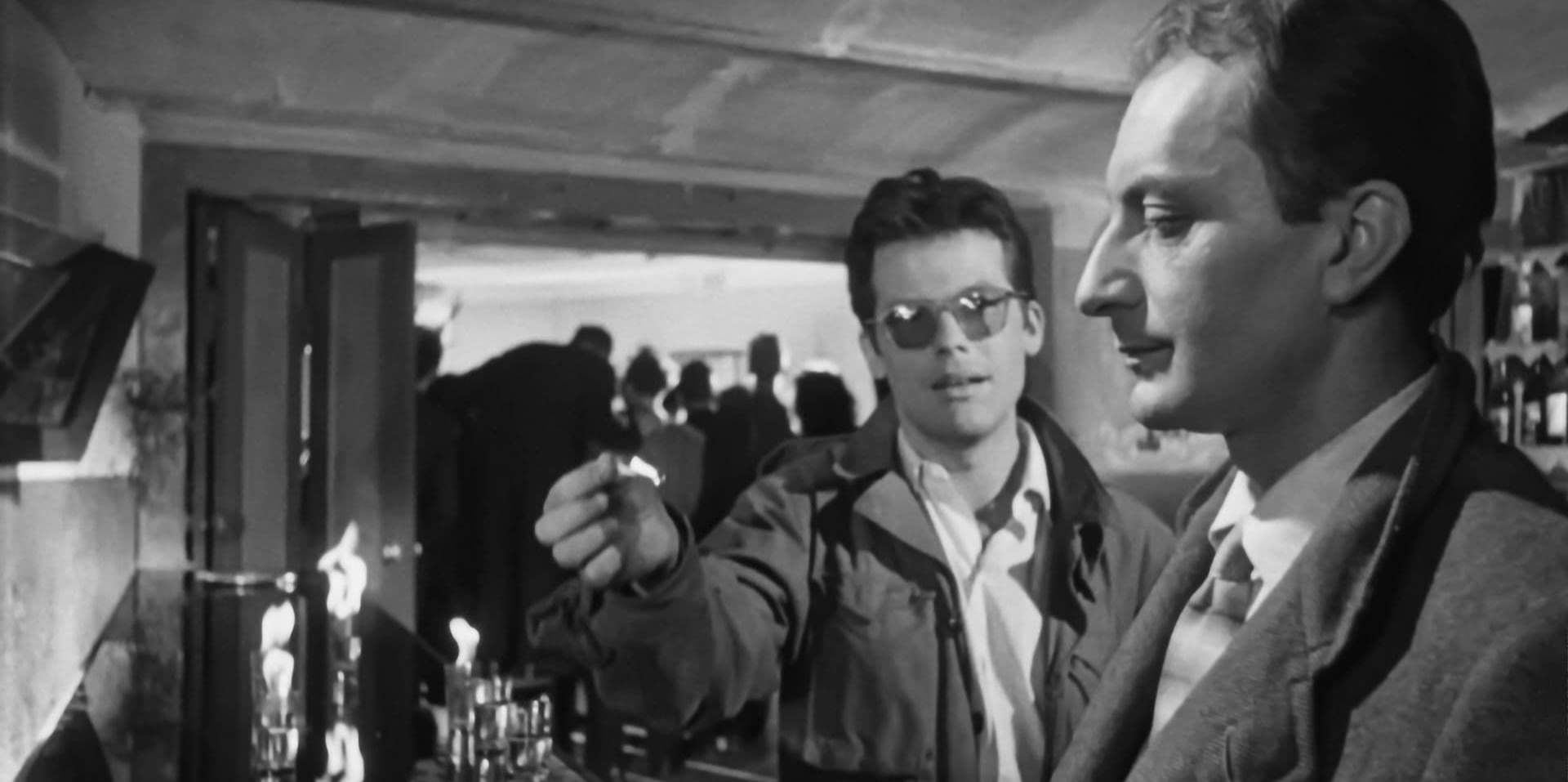
At the end of World War II, on May 8, 1945, the war took on a different form in Poland. A ruthless struggle pitted Polish nationalists against the ruling communists. Amid the chaos, a young nationalist activist was tasked with killing a local communist leader alongside his comrade. But his morals and a new romantic encounter caused him to question his intentions and wonder whether it was all necessary.
2026-03-21T16:19:50+01:0021 Mar 2026|

Andrzej Wajda

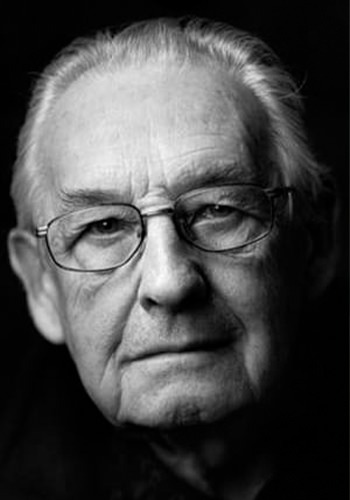
Andrzej Wajda is a Polish film director, theater director, and screenwriter born in 1926 in Suwałki. The son of an officer and a schoolteacher, he joined the Polish resistance at the age of 16 in 1942 to fight against the Soviets. At the end of the war, he studied at the Academy of Fine Arts in Krakow, then at the National Film School in Łódź. After directing several short films, Aleksander Ford took him on as his assistant for his 1954 film The Five from Barska Street. That same year, he directed his first feature film, Generation. He made his mark at Cannes with his second film, Canal, released in 1957, which won the Jury Prize that year. With films such as The Birch Wood in 1970, The Wedding in 1973, The Promised Land in 1974, and The Maids of Wilko in 1979, Wajda established himself as an adapter of Polish literary masterpieces. Beyond his adaptations of Polish masterpieces, Wajda is one of the most important filmmakers in Polish cinema. Rejecting the codes of Soviet propaganda and socialist realism, he did not hesitate to criticize communist ideas and their excesses through a baroque and electric style of filmmaking that emphasized self-sacrifice, self-giving, and great progressive or humanist causes. His repeated statements against martial law in Poland and his harsh criticism of the policies of the government in power prompted him to film abroad to avoid censorship in his own country. In France, he shot one of his greatest historical films, Danton, in 1983, which served as a metaphorical canvas for his criticism of Poland under martial law at the time. The film won the César Award for Best Director in 1983 and multiple awards at several festivals. He also directed Les Possédés in 1988, an adaptation of Dostoyevsky's book, which allowed him to work with Isabelle Huppert and Lambert Wilson. With his 2007 film Katyń, he revisited this great massacre in Polish history, breaking the silence on the subject to question the legacy of communism in Poland. His last film, The blue flowers in 2016, is a biography of Władysław Strzemiński, an avant-garde painter who fought against Stalinist power. He died on October 9, 2016, in Warsaw at the age of 90.

2026-03-21T16:12:51+01:0021 Mar 2026|

The Crossroads

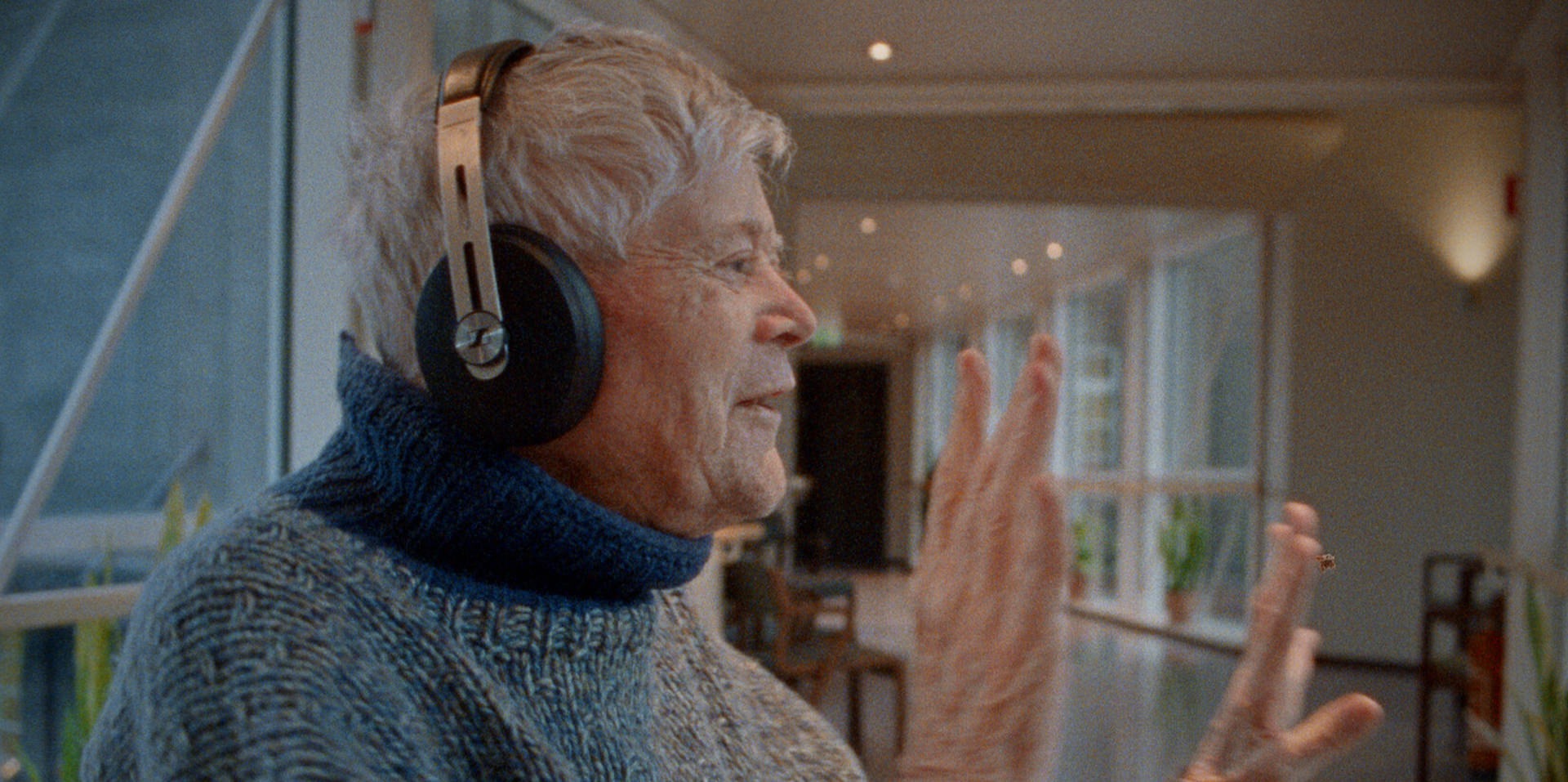
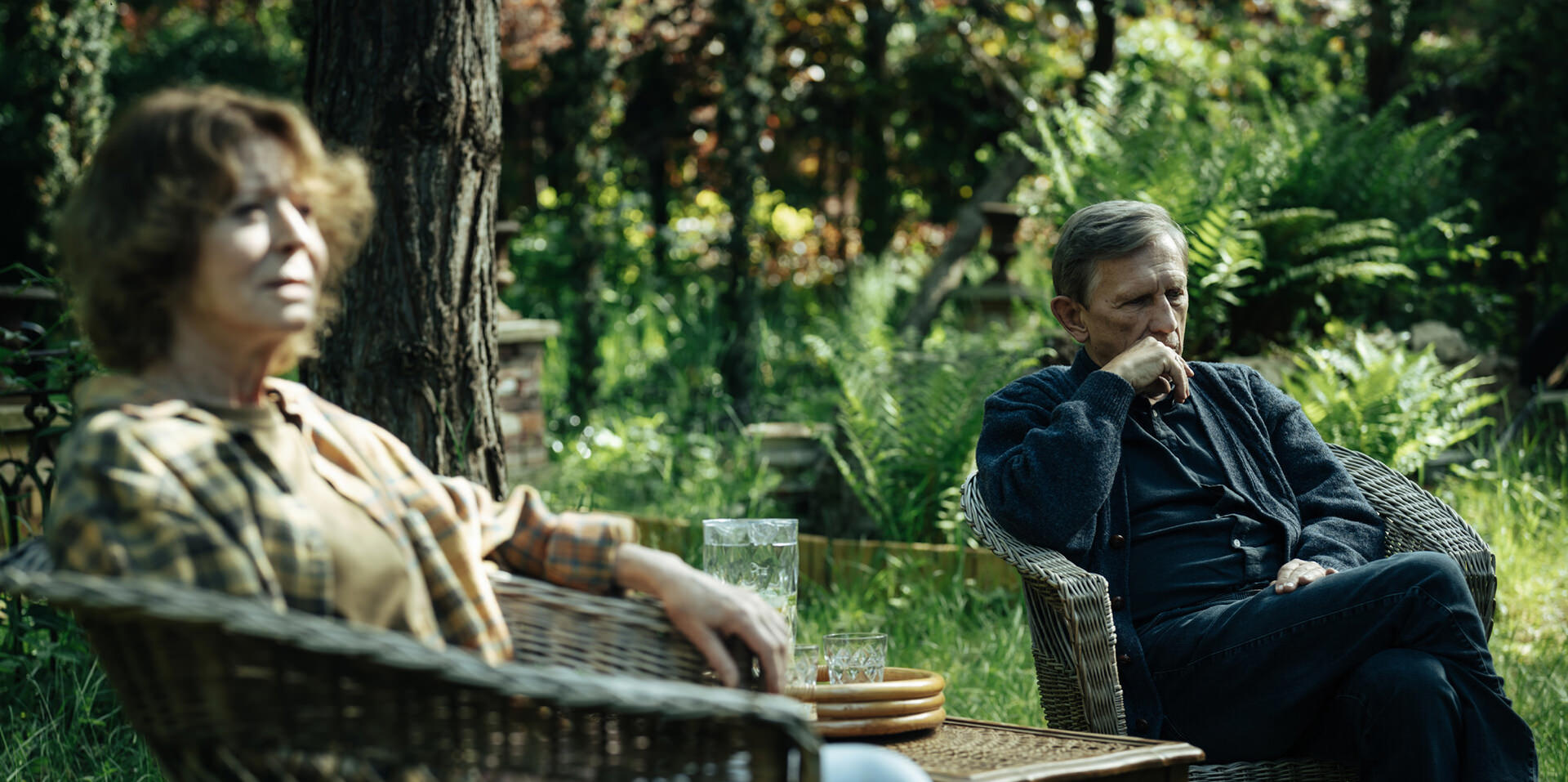
At a crossroads, the life of an 80-year-old retired doctor collides with that of a 24-year-old medical student. This tragic accident shatters the old man’s world, forcing a painful re-evaluation of his past as he faces a future he never envisioned. Amidst guilt, soul-searching, and family tensions, the film dissects the wreck of an existence once thought to be serene and firmly established.

2026-03-14T11:33:53+01:0011 Mar 2026|

Dominika Montean-Pańków

Dominika Montean-Pańków is a Polish director and screenwriter. A graduate of English Philology from Jagiellonian University and Film Directing from the Krzysztof Kieślowski Film School, she is currently pursuing a PhD at the prestigious Łódź Film School. Her career, which began in the early 2000s, notably with the documentary Kazimierz otwarty in 2007, is characterized by a constant exploration of formats. She alternates between documentaries, such as Głos (The Voice) in 2022, and television fiction with O doglądaniu dracaena (Caring for a Dracaena). In 2025, her feature film, The Crossroads, began its international festival run with selections at the Polish Film Festival in Prague and the Camerimage Festival in Toruń.

2026-03-11T16:37:02+01:0011 Mar 2026|

Ania Szczepanska

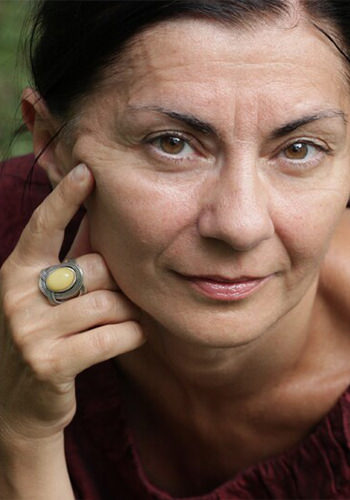
Born in Warsaw in 1982, Ania Szczepanska made her first short films in France, in the art section of the Ecole Normale Supérieure, before moving to Berlin to study philosophy and cinema. On her return to Paris, she completed a thesis in film history on the relationship between Polish filmmakers and Communist rule in working-class Poland.

2026-03-05T16:05:57+01:002 Mar 2026|

CHMYZ

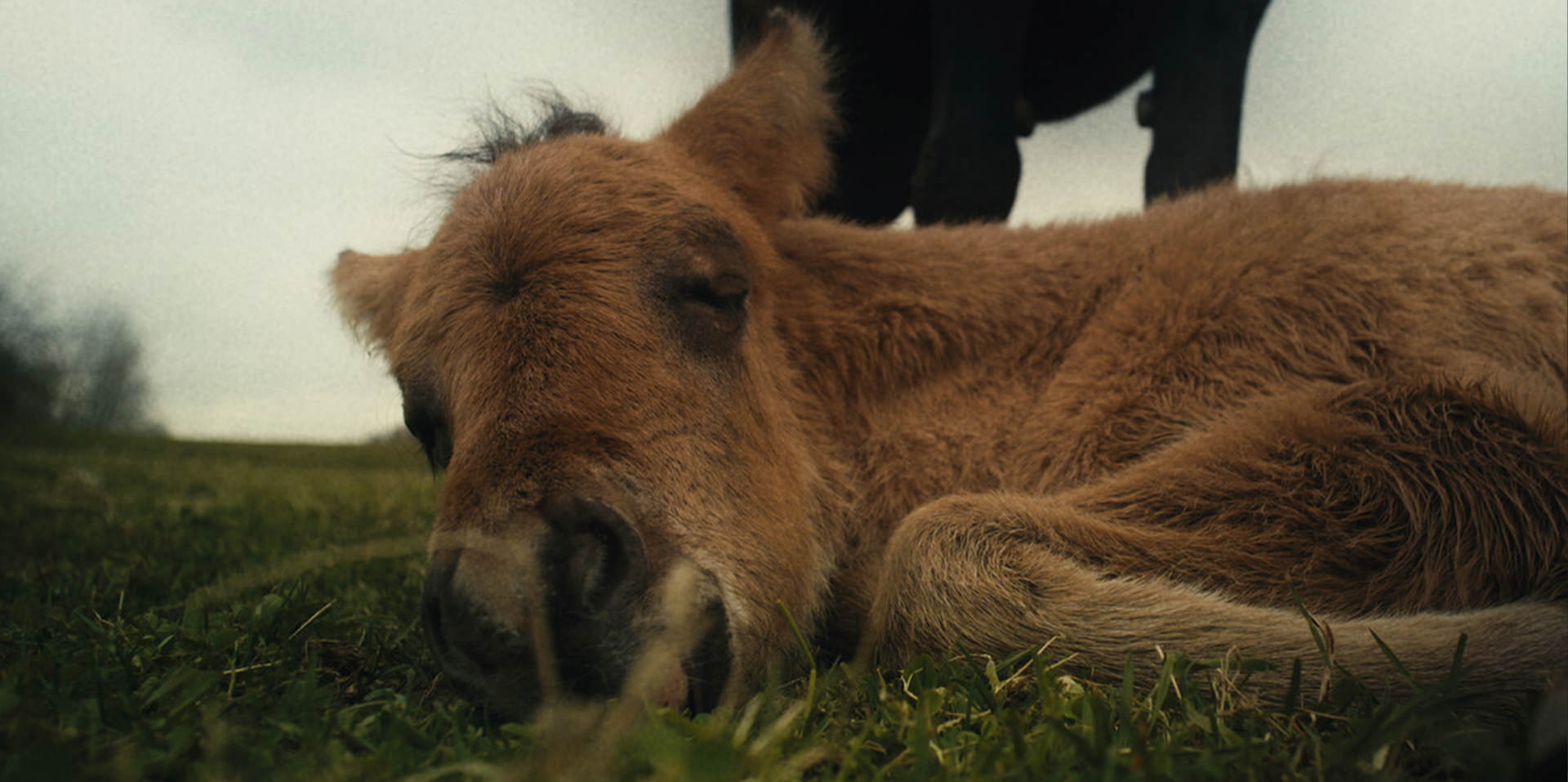
CHMYZ (foal) traces the first days of a newborn horse as he encounters the world for the first time. Staying close to his mother yet propelled by curiosity, he navigates bodies, sounds, and colors in a fragile balance between protection and the urge to belong. From birth and first unsteady steps, the film culminates in the foal’s first run, capturing a movement toward presence and freedom.

2026-03-02T10:26:54+01:002 Mar 2026|

Kaja Jakubowska

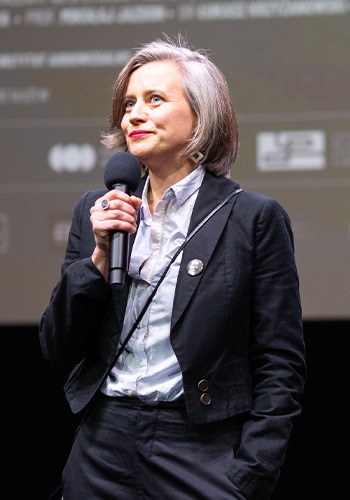
Kaja Jakubowska is a filmmaker and visual artist whose cinema emerges in dialogue between documentary and fiction. Rooted in painting and photography, her work develops a film language grounded in presence and sensorial experience. Her directing method is built on attentiveness and relation, resulting in films marked by intimacy and emotional tension.

2026-03-02T10:15:19+01:002 Mar 2026|
Go to Top