


Andrzej Wajda
Poland
Details
- >Death :9 October 2016
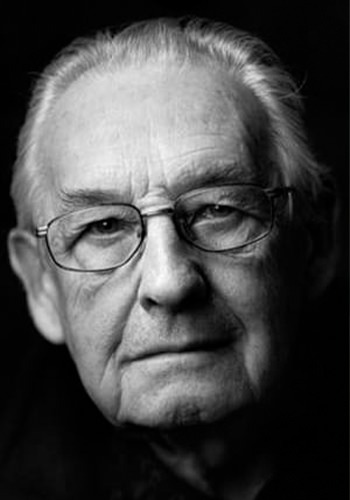
Andrzej Wajda is a Polish film director and screenwriter born in Suwałki in 1926. Born to an officer father and a schoolteacher mother, he joined the Polish resistance at the age of 16 to oppose the Soviets. At the end of the war, he studied at the Academy of Fine Arts in Krakow, then at the National Film School in Łódź. After making a few short films, Aleksander Ford took him on as an assistant on his film The Five from Barska Street in 1954. The same year he directed his first feature film Generation.
He revealed himself at Cannes with his second film Kanał released in 1957, which won the Jury Prize that year. With films such as The Birch Wood in 1970, Les Noces in 1973, The Land of Great Promise in 1974 or Wilko’s Bridesmaids in 1979, Wajda established himself as an adaptor of Polish literary masterpieces. Beyond his adaptations of Polish masterpieces, Wajda is one of the most important filmmakers in the history of Polish cinema. Rejecting the codes of Soviet propaganda and socialist realism, he has no hesitation in criticizing Communist ideas and their excesses through a baroque, electric cinema that highlights self-sacrifice, self-sacrifice and the great progressive or humanist causes. His many stances against martial law in Poland and his acerbic criticism of the government’s policies prompted him to shoot abroad to avoid censorship at home.
He made one of his greatest historical films in France, Danton in 1983, which he used as a metaphorical canvas to criticize Polish politics. The film won the César for Best Director in 1983, as well as numerous awards at various festivals. He also shot The Possessed in 1988, adapting Dostoyevsky’s book and starring Isabelle Huppert and Lambert Wilson. With his film Katyń in 2007, he revisits this great massacre in Polish history, lifting the omerta on the subject and questioning the legacy of communism in Poland.
His latest film, Blue Flowers in 2016, is a biography of Władysław Strzemiński, an avant-garde painter struggling against Stalinist rule.
He died on October 9, 2016 in Warsaw at the age of 90.
Filmography (1)
-
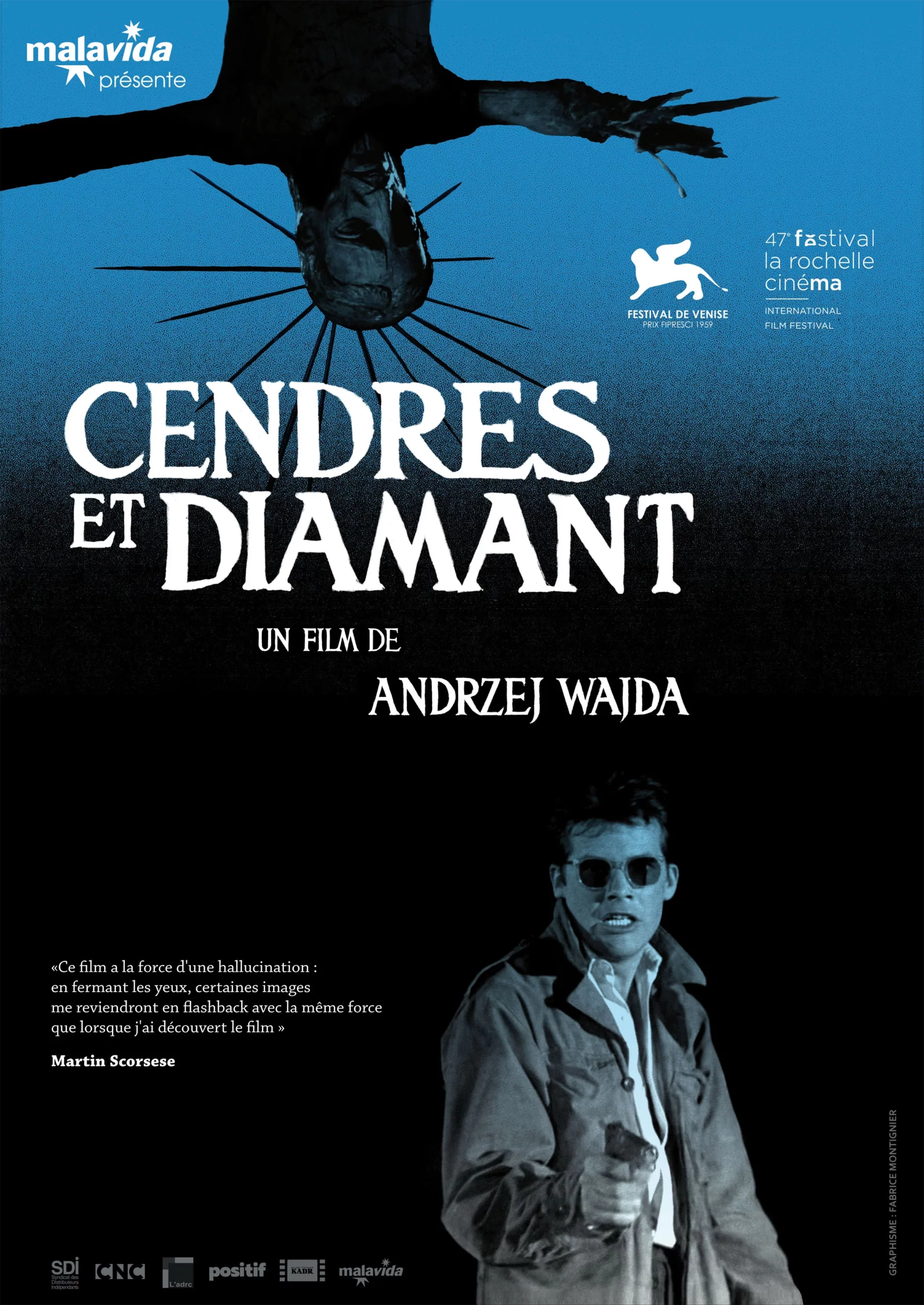 1958 – Cendres et Diamant (Popiół i diament) Role : Director
Synopsis : At the end of World War II, on May 8, 1945, the war took on a different form in Poland. A ruthless struggle pitted Polish nationalists against the ruling communists. Amid the chaos, a young nationalist activist was tasked with killing a local communist leader alongside his comrade. But his morals and a new romantic encounter caused him to question his intentions and wonder whether it was all necessary.
Synopsis : At the end of World War II, on May 8, 1945, the war took on a different form in Poland. A ruthless struggle pitted Polish nationalists against the ruling communists. Amid the chaos, a young nationalist activist was tasked with killing a local communist leader alongside his comrade. But his morals and a new romantic encounter caused him to question his intentions and wonder whether it was all necessary.


For additions/changes of information, please contact steven.decarvalho78@gmail.com